A wall heater that will not light is a common cold-night problem in Culver City. These small gas units sit in hallways and living rooms of older houses and apartments, and when the flame goes out, the whole unit goes quiet. This guide covers wall heater repair: what fails, what to check for safety, and when replacing the heater is the smarter move.
Where wall heaters are found in Culver City housing
Wall heaters turn up in the older housing stock. Think of older bungalows, duplexes, the small courtyard buildings and the apartments that were built before central heat was standard.
A wall furnace is a gas appliance set into or mounted on a wall, often with no ducts at all. It heats the room it sits in and a little of the space next to it. Some have a glass front and a visible flame. Others are sealed boxes with a grille.
Because there are no ducts, the fault list is short and the parts are simple. That helps repair. It also means a small fault, such as a dirty pilot, can leave a whole apartment without heat.
Landlords and tenants both call about these. If you rent, tell the owner or manager, since gas appliance repairs are often theirs to arrange. If you own, you can book directly.
Pilot, thermocouple and gas valve faults
Most wall heater faults trace back to three parts that work together.
- The pilot. A small standing flame that lights the main burner. Dust, drafts and debris can blow it out or clog the tiny orifice.
- The thermocouple. A sensor that sits in the pilot flame. It tells the gas valve the flame is on. If it wears out or sits dirty, it stops reporting, and the valve shuts the gas off by design. This is the classic heater that lights, then drops out when you let go of the knob.
- The gas valve. It controls the flow to the pilot and burner. When the valve sticks, leaks past its seat or fails to open, the heater will not fire even with a good pilot.
Other causes include a dirty burner, a failed thermostat or a clogged air passage. A technician can tell which one by testing, not by guessing.
A thermocouple is a modest part. A gas valve is a bigger repair. That is why diagnosis comes first, and the written price follows the fault found.
Venting and clearance safety
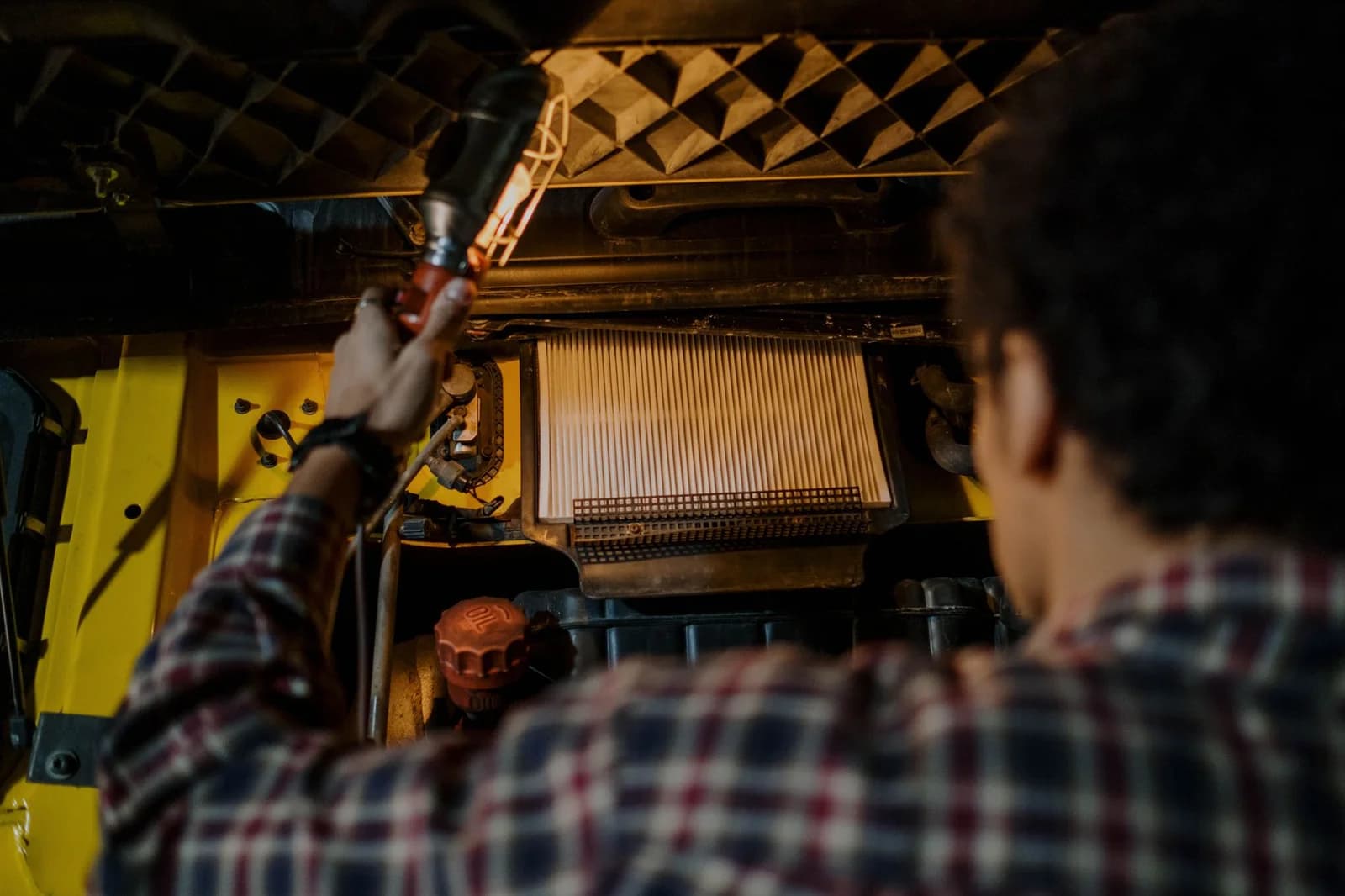
A gas heater has to push its exhaust out of the home. A blocked or leaking vent is a real hazard, so the safety check is part of the repair.
What a technician looks at:
- The vent or flue path, for gaps, rust, blockage or a loose connection.
- Soot or scorch marks near the heater, which signal poor combustion or a draft problem.
- Clearance around the unit. Curtains, furniture, boxes and bedding stacked near a wall heater are a fire risk.
- The flame color and shape, which show how well the gas is burning.
Keep the area around the heater clear. Do not hang anything on it or cover the grille. If you see soot or smell fumes, switch the heater off and call.
If you smell gas, leave the home first. Call SoCalGas or 911 from outside. Do not try to relight the pilot.
Carbon monoxide alarms and California law
A gas heater that burns poorly makes carbon monoxide. You cannot see or smell it.
California law requires carbon monoxide alarms in homes that have a fuel-burning appliance, a fireplace or an attached garage. A gas wall heater counts as a fuel-burning appliance. If your home has one, you need working alarms.
Test the alarms. Replace dead batteries. If an alarm sounds and you feel dizzy or sick, get everyone outside into fresh air and call 911. Then have the heater inspected before it is used again.
An alarm is a backup. It does not replace a safety check of the vent and burner.
Repair or replace a wall heater
Repair is the first path. A new thermocouple, a pilot cleaning or a gas valve swap can put a sound heater back to work.
Replacement makes sense when the unit is rusted through, the vent is damaged beyond a simple fix, the heat exchanger is cracked or a part is no longer available. Then wall furnace replacement or wall heater replacement is worth a look, and some homeowners move to a ducted system or a ductless mini split instead.
Replacing heating equipment can be permitted work, and in Culver City the city's own building and safety division handles it. For the repair side, see heating repair. For planning a swap, see heating installation.
FAQ
Why does my wall heater go out when I let go of the knob?
That is often a worn or dirty thermocouple. It cannot tell the gas valve the pilot is lit, so the valve closes. A technician can test and replace it.Is it safe to relight the pilot myself?
If you smell gas, do not try. Leave and call SoCalGas or 911 from outside. If there is no gas smell, follow the label on the unit, and call us if it will not stay lit.Can a wall heater cause carbon monoxide?
Yes, if it burns poorly or the vent is blocked. That is why the vent and flame get checked on a repair visit, and why California requires CO alarms in homes with fuel-burning appliances.Do you repair wall heaters in apartments?
Yes. If you rent, the owner or manager usually arranges the repair, so let them know first. We can work with them on the visit.How do I know if it needs replacing?
Rust, a damaged vent, a cracked heat exchanger or an unavailable part point that way. The technician explains what they see and gives you the repair option and the replacement option.Call (877) 502-5844 to book a wall heater repair with Culver HVAC Repair.
Need Professional HVAC Service?
Our HVAC-experienced technicians are ready to help with all your AC and heating needs. Contact Culver HVAC Repair today for expert service throughout the Culver City, Palms, Mar Vista and Venice service area.